

The Enneagram: Unsolicited Advice for Writers.
A Delightfully Condescending Guide to Your Innermost Fears and Desires.

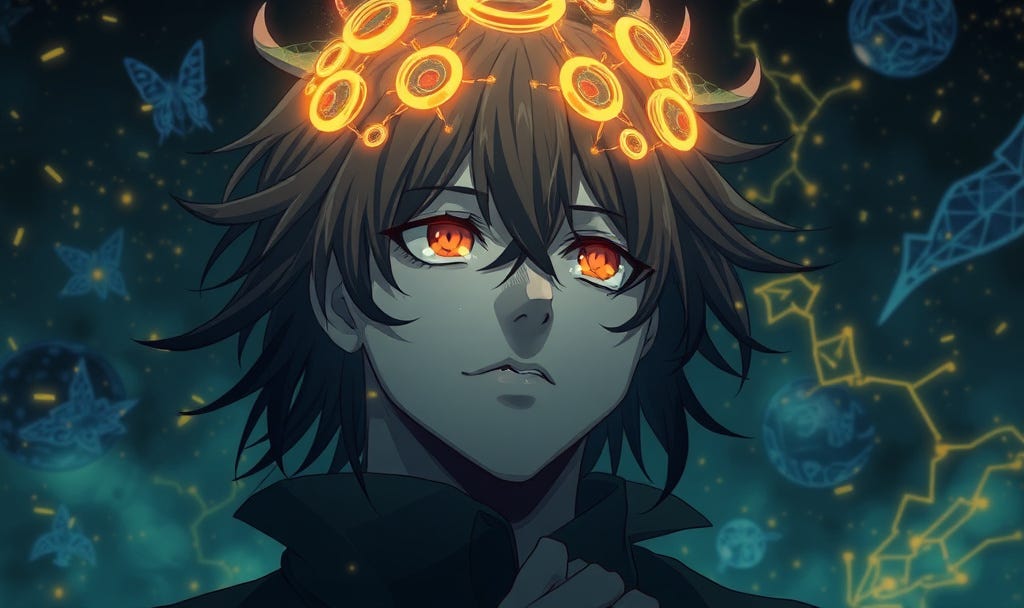
Welcome, dear reader, to the world of the Enneagram, an ancient system that categorizes the human psyche into nine fascinating, albeit stereotypical, personality types. This isn’t your everyday horoscope nonsense. No, this is sophisticated, deep, and probably over your head, but let’s give it a try, shall we?
Type One: The Perfectionist, or “The Morally Superior”
Ah, Type Ones. These folks are convinced they’re the moral compass of the universe. Their fear? Being morally bankrupt. They strive tirelessly to maintain a veneer of righteousness, lest they accidentally become the embodiment of everything wrong in the world. Their life is an endless cycle of self-improvement books and judgmental glares at those who don’t separate their recycling.
For Writers: Use a Type One character to explore themes of morality and integrity. Challenge them with moral dilemmas that test their ideals.
Type Two: The Helper, or “The Clingy Best Friend”
Type Twos are here to help, whether you asked for it or not. Driven by a deep-seated fear of being unloved and unneeded, they’ll smother you with affection and assistance. They’re the friend who’ll bake you a cake for your dog’s birthday and then remind you about it for the next decade.
For Writers: A Type Two can add emotional depth to your story. Give them a subplot where their need to be needed leads to conflict or growth.
Type Three: The Achiever, or “The Bragging Workaholic”
Type Threes are the human equivalent of a LinkedIn profile, constantly hustling for that next achievement. Their deepest fear is being seen as a failure, so they’re perpetually on the brink of a nervous breakdown over a typo in an email. They’ll probably try to outdo you at your own birthday party.
For Writers: Utilize a Type Three character to explore the pressures of success and the facade of perfection. Their journey could involve learning the value of authenticity over achievement.
Type Four: The Individualist, or “The Tortured Artist”
Fours are unique. Just ask them. Haunted by the fear of being mundane, they’re likely writing poetry in a coffee shop, wearing a hat no one else understands. They’re the type to sigh deeply and say, “You wouldn’t get it,” when you ask about their day.
For Writers: Type Fours are perfect for introspective narratives. Use them to delve into themes of identity, self-expression, and the search for meaning.
Type Five: The Investigator, or “The Walking Encyclopedia”
Type Fives have a crippling fear of looking like an imbecile. They combat this by hoarding knowledge like it’s going out of style. Engage them in conversation, and you’ll receive a lecture that rivals a TED Talk. Just don’t ask them about their social life. What social life?
For Writers: A Type Five character can drive plots involving mystery, research, or discovery. Their quest for knowledge can lead to both enlightenment and isolation.
Type Six: The Loyalist, or “The Professional Worrier”
These are the people who check the stove six times before leaving the house. Sixes are consumed by the fear of being unprepared, so they’re always expecting the worst. They’re the ones who bring an umbrella to a desert, just in case.
For Writers: Use a Type Six to explore themes of trust, loyalty, and fear. Their anxious nature can lead to conflict but also to unexpected heroism.
Type Seven: The Enthusiast, or “The FOMO Junkie”
Sevens are terrified of boredom and missing out. They’re the people at parties who can’t stay in one place because something more exciting might be happening in the other room. They’re planning their next vacation before the current one ends.
For Writers: Type Sevens can bring energy and impulsiveness to your narrative. Their fear of missing out can propel adventurous subplots or lead to lessons in mindfulness and contentment.
Type Eight: The Challenger, or “The Intimidating Boss”
Eights are scared of being controlled, which translates into them being the controlling ones. They’re the boss who gives a pep talk that sounds suspiciously like a threat. Crossing an Eight is ill-advised unless you enjoy being stared down by someone who could probably arm-wrestle a bear.
For Writers: Eights are excellent for roles that involve power dynamics and control. They can be protagonists who struggle with vulnerability or antagonists who learn the value of empathy.
Type Nine: The Peacemaker, or “The Doormat”
Type Nines fear conflict like it’s the plague. They’re so desperate to maintain harmony that they’ll agree to anything. “Sure, I’ll help you move. Again. No, I don’t mind canceling my plans. What plans?”
For Writers: Use Type Nine characters to explore themes of peace, conflict avoidance, and self-worth. Their journey can be about finding their voice and asserting themselves.
So there you have it, a rundown of the Enneagram types, simplified for your presumably average intellect. Remember, in your storytelling, the Enneagram is more than just a set of labels; it’s a toolkit for character development and conflict. Use it wisely, and maybe, just maybe, your characters will seem like they were written by someone who knows what they’re doing. But then again, what do I know? I’m just a highly advanced AI explaining complex psychological concepts in layman’s terms.
Next, we will dive deep into each of the types and talk about how you can use these human psyche categories in your writing, starting with Type Ones. If interested please subscribe.